" alt="H5 QRcode" title="H5 QRcode" />


The footage captures a quintessential moment in mid-2000s high-end tailoring. Anna delivers a professional, poised performance that perfectly complements the structured elegance Adolfo Sardina is known for. Style & Aesthetic:
This is the exact date the file or the original source material was created or uploaded, marking it as a snapshot of digital culture from the mid-2000s.
In 2007, .mpg was a standard high-quality video format before .mp4 (H.264) became the universal web standard.
Disclaimer: This article is provided for general informational and educational purposes only. It does not constitute legal advice, nor does it endorse or promote the viewing, sharing, or creation of any specific content. You are solely responsible for your actions and compliance with all applicable laws.
The provided string seems to contain several pieces of information:
The ethical landscape was ambiguous. Some argued that once a digital file existed, information wanted to be free. Others pointed out that custom content was not mass-market entertainment—it was a commissioned work, analogous to a private painting or a personalized song. Distributing it without permission violated both the model’s labor rights and the commissioner’s privacy.
Are you researching the or the model specifically? Is this for a media history project or personal interest?
The file name “y123 anna posing4adolfo cstm 2007 06 15 mpg t free” is unremarkable at first glance—a jumble of identifiers, a date, a format, and a promise of no cost. Yet it encapsulates a specific moment in digital culture: the rise of custom, user-driven media in the mid-2000s, before streaming platforms and subscription models standardized how we consume and share video. This essay argues that such file names, particularly those labeled “custom” and later redistributed as “free,” reveal the tensions between personal commission, ownership, and the early ethics of peer-to-peer sharing.
The footage captures a quintessential moment in mid-2000s high-end tailoring. Anna delivers a professional, poised performance that perfectly complements the structured elegance Adolfo Sardina is known for. Style & Aesthetic:
This is the exact date the file or the original source material was created or uploaded, marking it as a snapshot of digital culture from the mid-2000s.
In 2007, .mpg was a standard high-quality video format before .mp4 (H.264) became the universal web standard. y123 anna posing4adolfo cstm 2007 06 15 mpg t free
Disclaimer: This article is provided for general informational and educational purposes only. It does not constitute legal advice, nor does it endorse or promote the viewing, sharing, or creation of any specific content. You are solely responsible for your actions and compliance with all applicable laws.
The provided string seems to contain several pieces of information: The footage captures a quintessential moment in mid-2000s
The ethical landscape was ambiguous. Some argued that once a digital file existed, information wanted to be free. Others pointed out that custom content was not mass-market entertainment—it was a commissioned work, analogous to a private painting or a personalized song. Distributing it without permission violated both the model’s labor rights and the commissioner’s privacy.
Are you researching the or the model specifically? Is this for a media history project or personal interest? In 2007,
The file name “y123 anna posing4adolfo cstm 2007 06 15 mpg t free” is unremarkable at first glance—a jumble of identifiers, a date, a format, and a promise of no cost. Yet it encapsulates a specific moment in digital culture: the rise of custom, user-driven media in the mid-2000s, before streaming platforms and subscription models standardized how we consume and share video. This essay argues that such file names, particularly those labeled “custom” and later redistributed as “free,” reveal the tensions between personal commission, ownership, and the early ethics of peer-to-peer sharing.
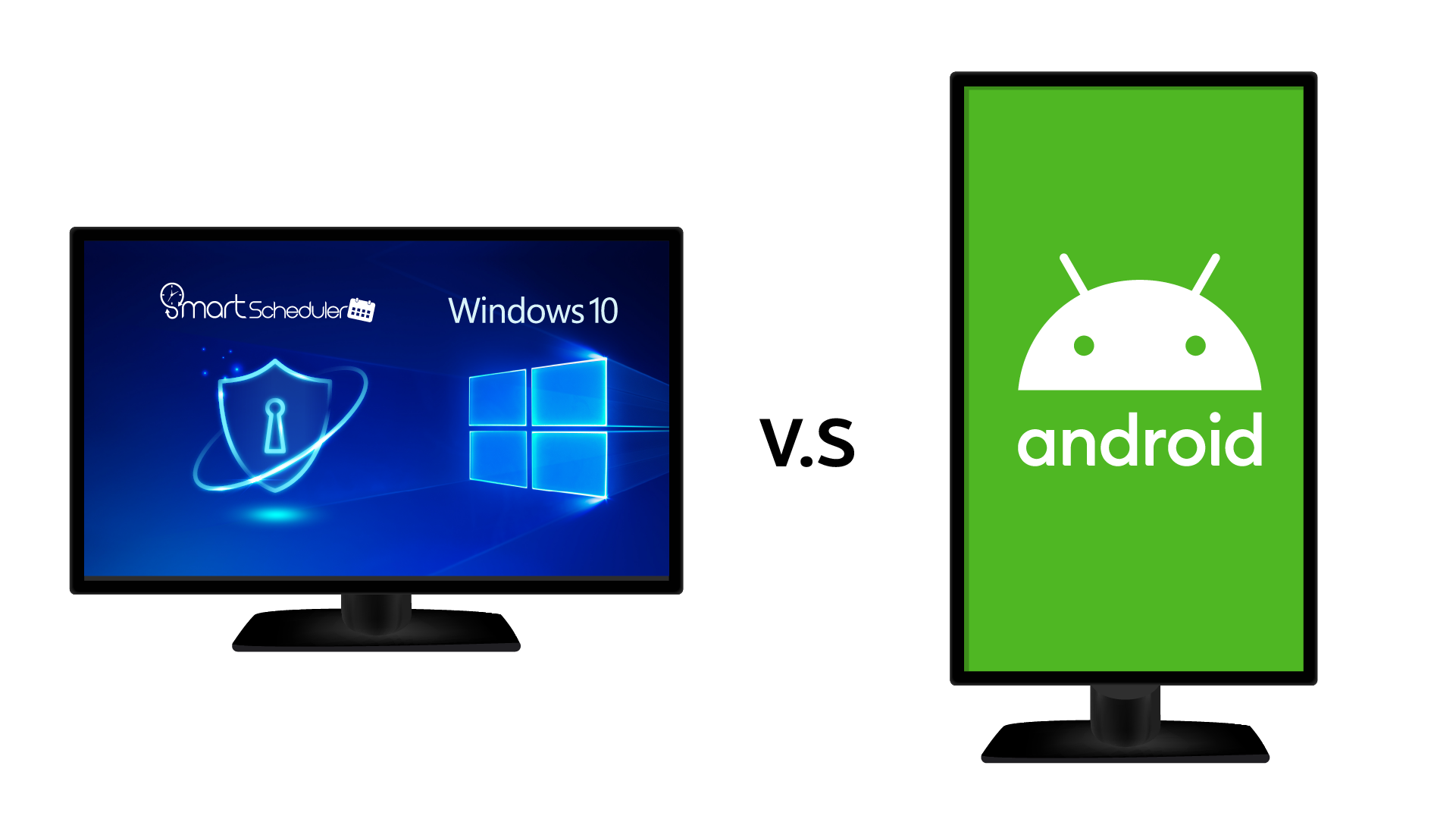
There is a case that happened in Taiwan as a large-scale digital signage was invaded by hackers, replacing indecent texts and pictures, causing damage to the corporate image and public perception, and causing everyone to pay attention to the security problem of the digital signage. The main reason is that most of the advertising machines on the market use the Android open system architecture, and most editing and scheduling software are developed by third parties, resulting in many security loopholes. The playback content of the Android advertising machine is controlled by the cloud network host. Once the cloud host is invaded, the playback content can be easily changed.
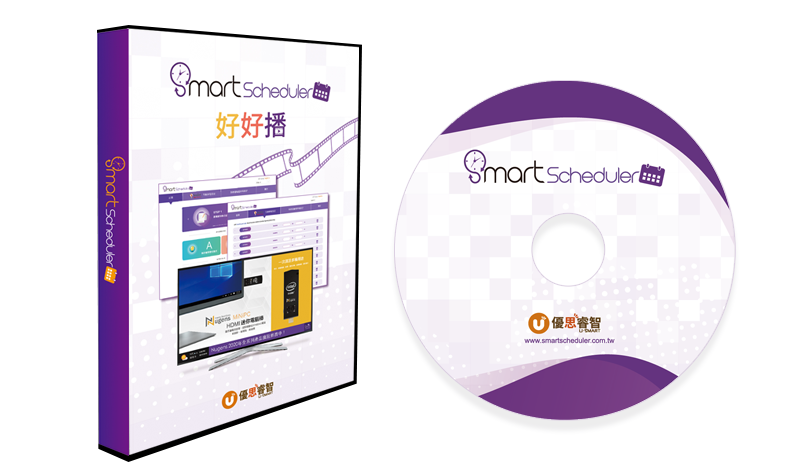
SmartScheduler advertising software is a Windows closed system program developed by Taiwan's software and hardware team. Security protection is guaranteed. It adopts the local software serial number management and exclusive account-free design to avoid leakage of account ID and password. Remote management without server hosts, and the system will actively notify users of abnormal playback. Using the point-to-point distribution of sharing files, and offline local playback, even if the network gets attacked or the network is disconnected, the contents of the ads can be played normally in offline mode after being done saving locally.
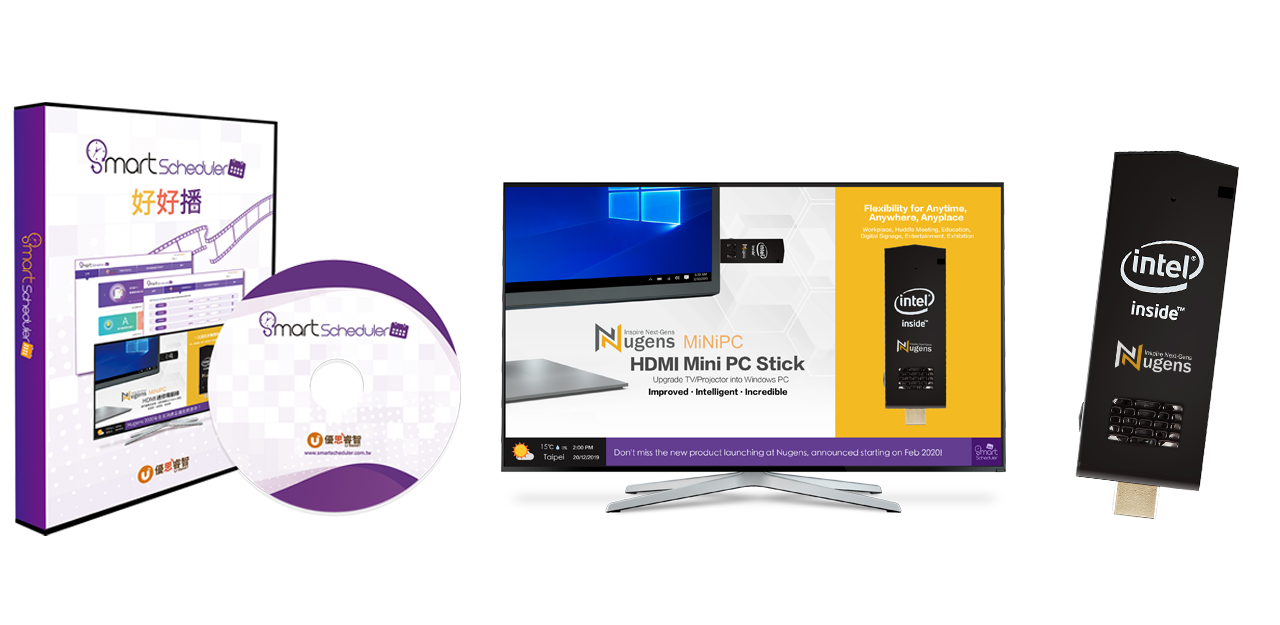
SmartScheduler only needs a PC + a display/monitor/TV, then you are ready to create your own advertisement!
Fulfill your advertising ideas with low-cost budget!
Convenient and efficient! Easily distribute content to digital signage in various locations with a single click. Monitor ad playback remotely and manage it effortlessly through the web interface.


The volume license version of the cloud management function can control, or batch manage the digital signages in multiple remote locations, such as Restarting SmartScheduler, remote Play Now, Status Monitor, remotely Camera Snapshot, timer Shut Down/Sleep, and sending Pop-Ups - text messages or images to the screen of the digital signage.

SmartScheduler can manage the digital signage of multiple remote locations to shut down the computer when the store is calling or let the digital signage "sleep and wake up" at a specific time.
Note: this function is only available on certain PCs.
When the digital signage is playing, if there are potential customers are watching the ads or limited time offer, the text message or images can be sent to the digital signage through the Cloud Management Platform. So, you can push sales remotely with SmartScheduler!


Windows Based / Cloud Management / Perpetual License / Smart Digital Signage
SmartScheduler advertising software is a Windows closed system program developed by Taiwan's software and hardware team. Security protection is guaranteed. It adopts the local software serial number management and exclusive account-free design to avoid leakage of account ID and password. Remote management without server hosts, and the system will actively notify users of abnormal playback. Using the point-to-point distribution of sharing files, and offline local playback, even if the network gets attacked or the network is disconnected, the contents of the ads can be played normally in offline mode after being done saving locally.
More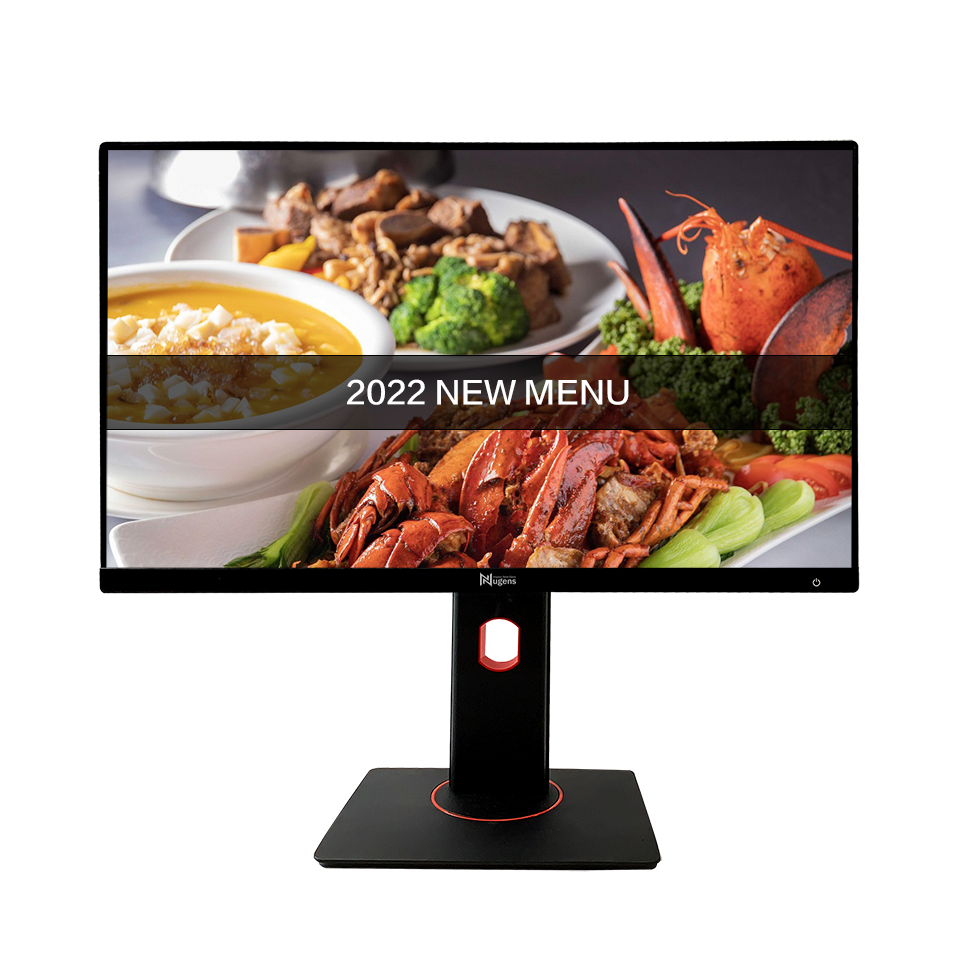
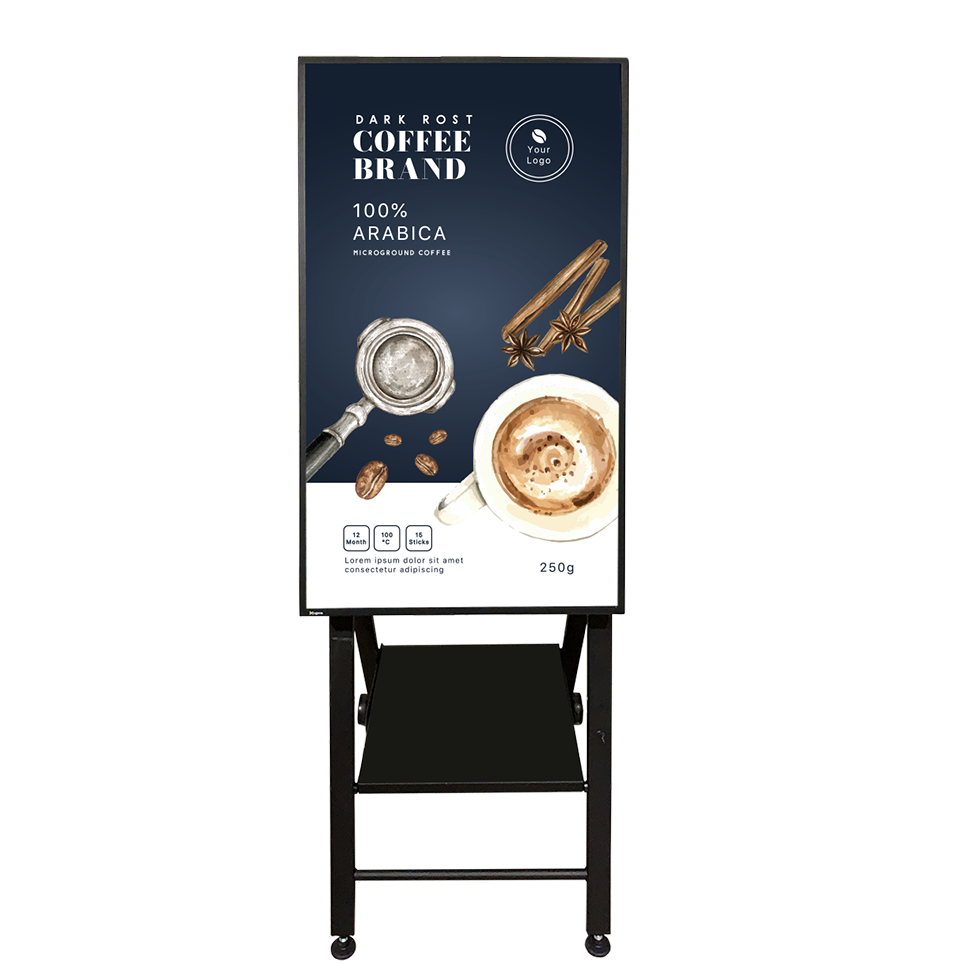
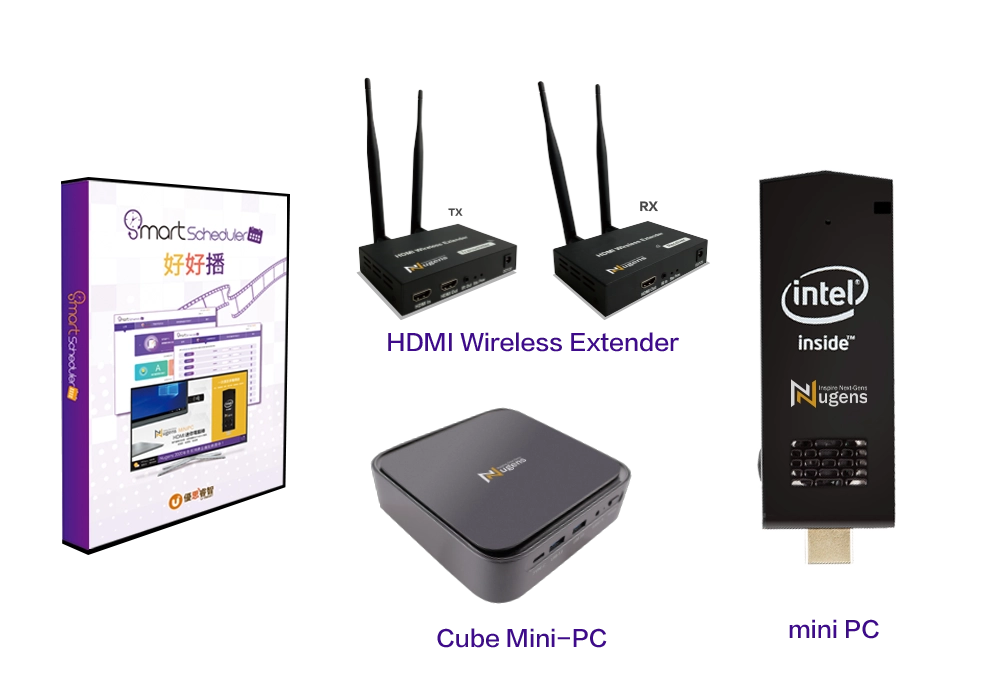
Old displays can be paired with Nugens Mini PC Sticks and Cube Mini PCs, quickly upgraded to Windows digital signages. It can support up to 4 screens with an HDMI wireless extender. The installation is convenient, eliminating the need for multiple PC hosts to occupy desktop space, and enabling wireless extension of advertisements.